
Attio
This page describes how to use Activations with Attio.
Getting Started
Navigate to the Destinations page in Activations and click New Destination.
Select Attio from the menu.
Open the Attio app in another browser tab. Navigate to Workspace Settings
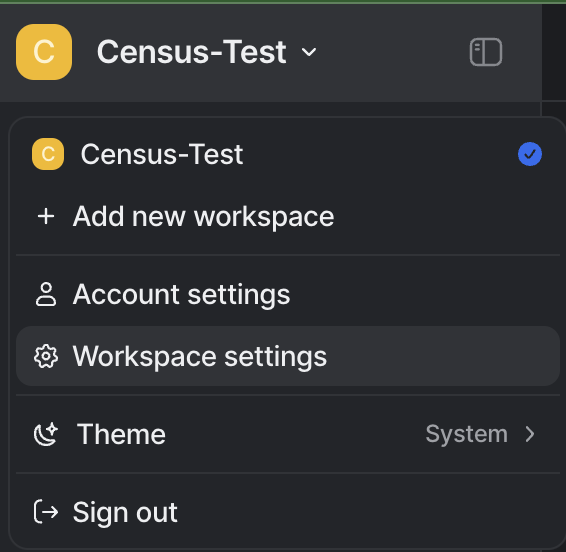
Select Developers from the left hand menu and click the
Create a new integrationbutton.
Once the integration is created, a new access token will be available within your new integration. Copy this value.
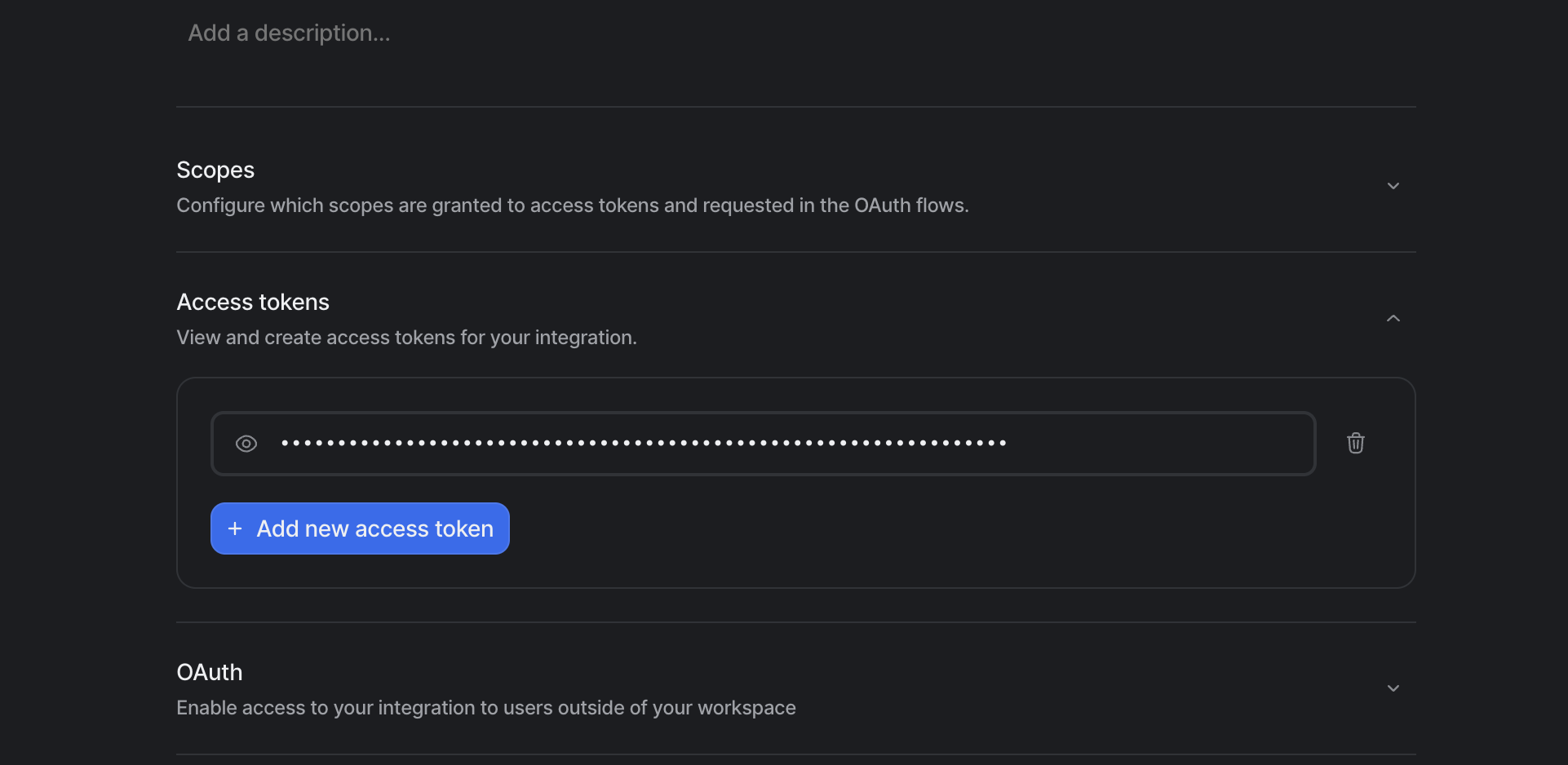
Ensure your access token has
Read/Writeaccess forRecordas well asReadaccess forObject ConfigurationandReadaccess forUser Managementunder theScopessection.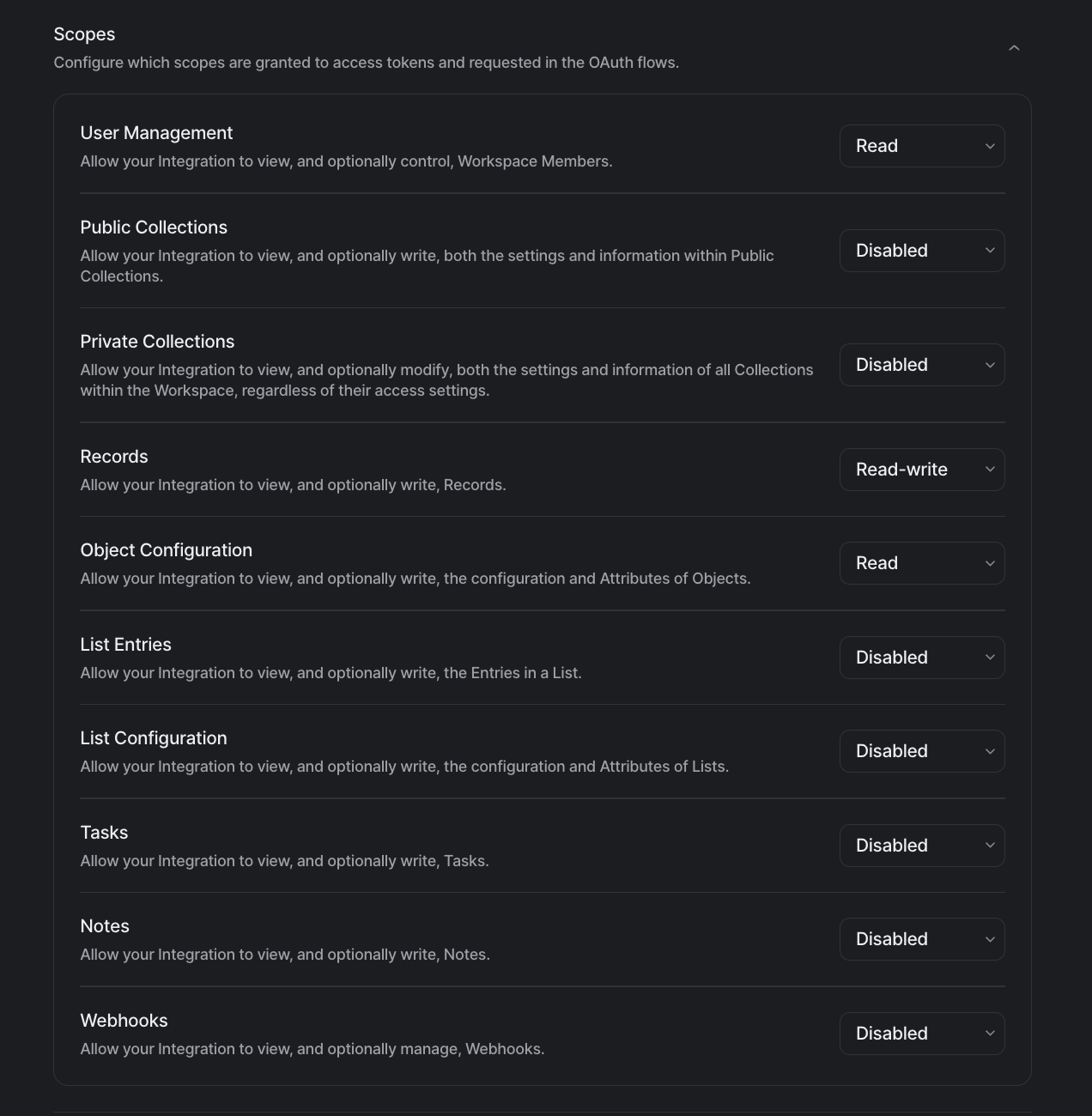
Return to Activations and paste the access token under API Token.
Supported Objects and Behaviors
| Object Name | Supported? | Sync Keys | Behaviors |
|---|---|---|---|
| Company | ✅ | Any unique attribute | Update or Create |
| People | ✅ | Any unique attribute | Update or Create |
| Custom Objects | ✅ | Any unique attribute | Update or Create |
Attio supports Don't Sync Nulls. Syncs created prior to August 20, 2024 will need to be updated to sync nulls.
Contact Support if you want Activations to support more Attio objects and/or behaviors.
Record References
Fields of type Record Reference are taken in as an array of objects. Below is an example of the expected format:
[
    {
        "target_object": "companies",
        "target_record_id": "<company uuid>"
    },
                    {
        "target_object": "people",
        "target_record_id": "<person uuid>"
    }
],
Attio Name Attribute
Attio supports two syntaxes for writing name values: string and object (recommended). Activations supports both via Liquid templating:
String
- The format must match
last name, first name. - Liquid example:
"name": "{{ record ['last_name'] }}, {{ record['first_name'] }}"- The format must match
Object
- There are three properties that all must be set:
first name,last name, andfull name - Liquid example:
{ "first_name": "{{ record['first_name'] }}", "last_name": "{{ record ['last_name'] }}", "full_name": "{{ record['first_name'] }} {{ record['last_name'] }}" }- There are three properties that all must be set:
Activations will recognize an object is being sent by the opening { in the second example.